Trekking tourism in Peru not only offers spectacular landscapes and ancient mountain routes, but also the opportunity to experience the culture and traditions of Andean communities up close.
In regions such as Cusco and the Sacred Valley of the Incas, many trekking routes in the Andes pass through areas where local communities have lived for generations. These communities preserve ancestral traditions, traditional agricultural knowledge, and a deep connection with nature.
Thanks to their presence, travelers who go trekking in Peru not only discover breathtaking landscapes, but also experience a living part of Andean culture.
Guardians of the Andean Trails
Local communities have historically been the guardians of the ancient Andean trails.
Many of these paths are part of the Inca road network known as the Qhapaq Ñan, an extensive system of routes built during the Inca Empire that connected different regions of the Andes.
Thanks to their deep knowledge of the land and their close relationship with nature, these communities have helped for centuries to keep the trails accessible and preserve historic paths that today form part of many trekking routes in Peru.
Local Communities’ Participation in Trekking Tourism
Today, trekking tourism in the Peruvian Andes provides significant employment opportunities for many families in local communities.
On popular routes, such as the Inca Trail to Machu Picchu, it is common for community members to actively participate as:
- Porters
- Cooks
- Pack animal handlers
- Local guides
Their work is essential for the success of trekking expeditions in Cusco, as they bring experience, knowledge of the terrain, and logistical support during the hikes.
Additionally, many communities take part in community-based tourism projects in the Andes, where visitors can experience their lifestyle, traditional cuisine, and daily activities firsthand.
Preserving Andean Culture
Responsible tourism in Peru can also help preserve ancestral traditions.
Through interaction with travelers, local communities have the opportunity to share various aspects of their culture, such as:
- Traditional agricultural techniques
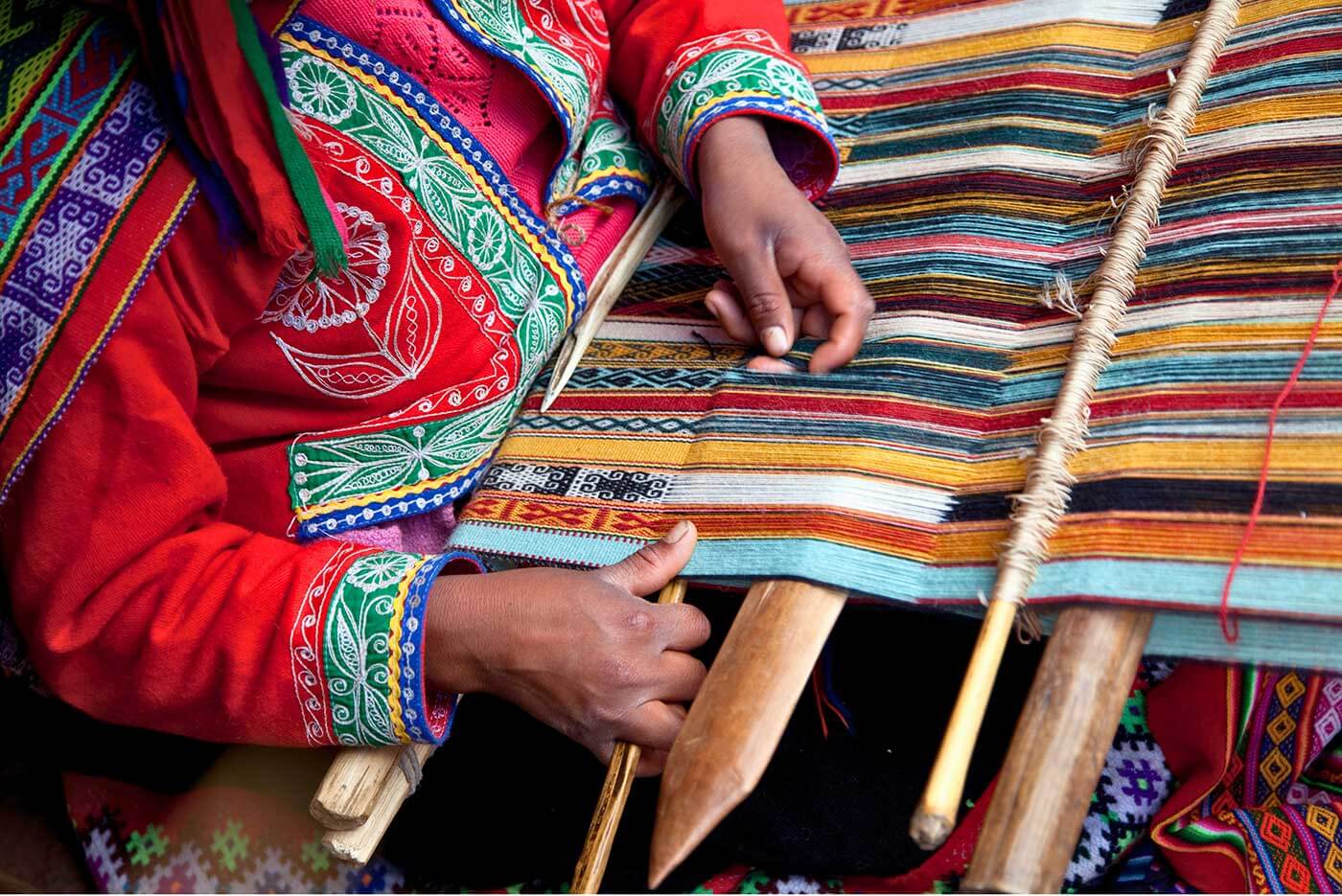
- Andean handcrafted textiles
- Local festivals and celebrations
- Regional cuisine
When sustainable tourism in the Andes is managed properly, it can provide direct economic benefits to communities, improve their quality of life, and contribute to the preservation of their cultural and natural heritage.
Local Communities: An Essential Part of Trekking in Peru
Andean communities are a fundamental part of trekking tourism in Peru.
Their knowledge of the land, hospitality, and active participation in tourism activities enrich the traveler’s experience, making trekking much more than just a mountain adventure, it becomes an authentic cultural experience in the Andes.
Supporting responsible and community-based tourism helps preserve the cultural identity of these regions and ensures that future generations can continue to enjoy the stunning landscapes and traditions of the Peruvian Andes.
 March 16, 2026
 9:29 pm
 peruqualitytreks
