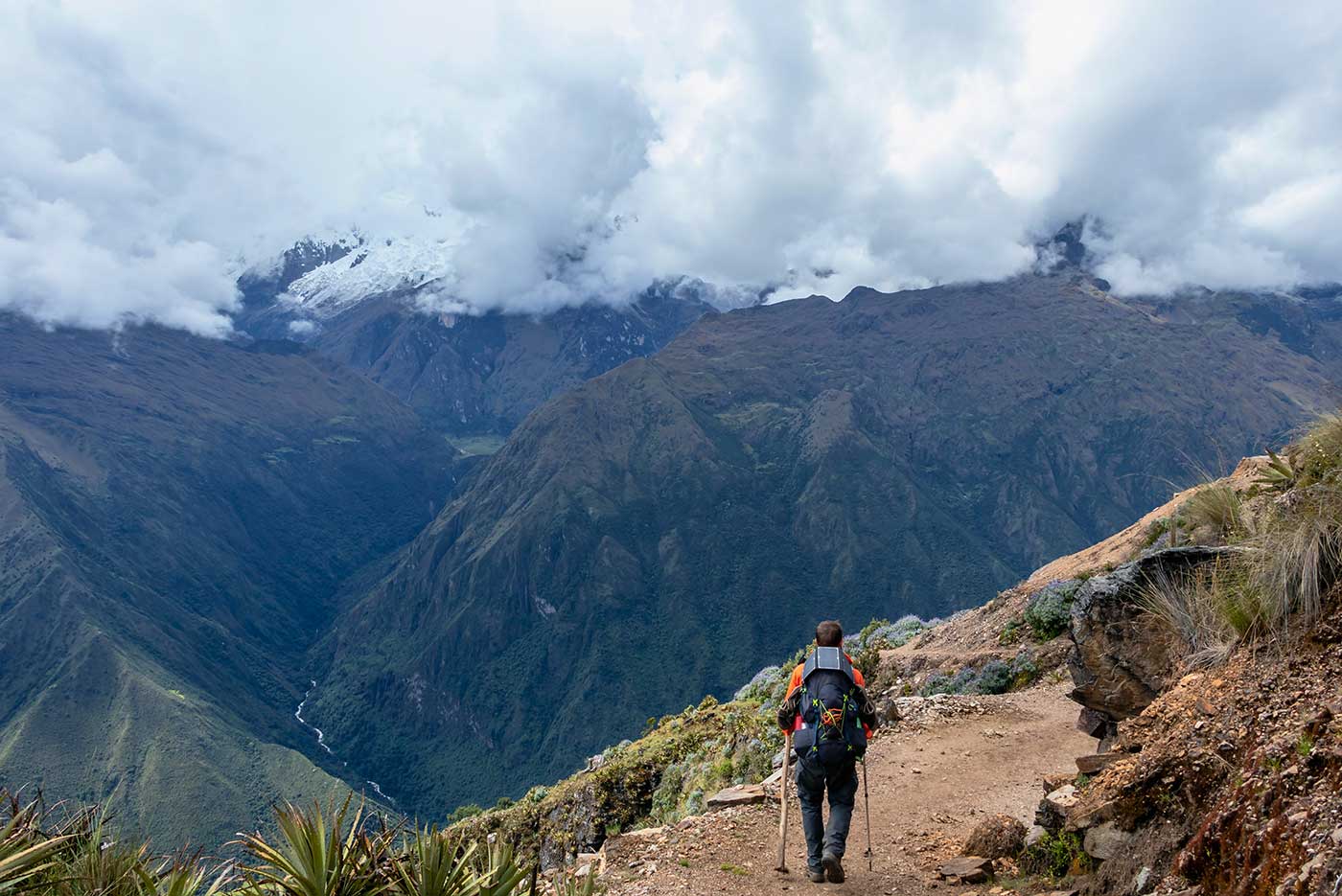
Exploring the Peruvian Andes is an incredible experience for those who love trekking. Mountain trails offer spectacular landscapes, glacial lakes, and ancient Inca paths that cross some of the most impressive mountains in South America.
However, many trekking routes in the Andes take place at high altitude, generally above 3,000 meters (9,800 feet) above sea level. Due to the lower oxygen levels, some travelers may experience altitude sickness in Peru, especially during hikes in regions such as Cusco or along routes near Machu Picchu.
Knowing how to identify the symptoms of altitude sickness during a trek is key to acting quickly and preventing the discomfort from getting worse.
How to Identify Symptoms of Altitude Sickness
Altitude sickness can appear in different ways, and its intensity may vary from person to person. The most common symptoms of altitude sickness during trekking include:
- Headache
- Dizziness or a feeling of weakness
- Nausea or loss of appetite
- Fatigue or excessive tiredness
- Difficulty sleeping
- Shortness of breath while walking
These symptoms usually appear within the first hours or days after reaching high elevations during a trek in the Peruvian Andes.
Recognizing these early signs is essential to prevent complications during a high-altitude hike in Peru.
Rest and Slow Your Pace
If you begin to experience any of these symptoms during your trek in Peru, the first thing you should do is slow down and take a rest.
Walking at a slower pace, taking frequent breaks, and avoiding excessive effort will allow your body to adapt better to the altitude in the Andes.
Remember that during a high-altitude trek, moving slowly is often the best strategy to conserve energy and prevent symptoms from getting worse.
Stay Well Hydrated During the Trek
Hydration is essential when trekking at high altitude. At higher elevations, the body loses fluids more quickly, so it is important to drink water regularly throughout the hike.
Staying well hydrated helps your body adapt better to the altitude and can reduce some symptoms of altitude sickness.
Eat Light and Energy-Rich Foods
When symptoms of altitude sickness appear, it is recommended to eat light and easy-to-digest meals.
Some good options during a trek in the Andes include:
- Fruits
- Hot soups
- Nuts
- Energy snacks
- Cereal bars
Proper nutrition helps maintain your energy levels during a high-altitude hike in Peru.
Try Traditional Andean Remedies
In the Andes, it is common to use traditional natural remedies to help relieve the effects of altitude.
One of the most well-known is coca leaf tea, an ancestral practice in Andean regions such as Cusco and the Sacred Valley of the Incas.
Although these remedies do not replace medical treatment, many travelers feel temporary relief when consuming them during their trek in Peru.
Descend if Symptoms Worsen
If symptoms become more severe such as a strong headache, persistent vomiting, or difficulty breathing it is recommended to descend immediately to a lower altitude.
In some cases, it may also be necessary to seek medical assistance, especially during multi-day treks in remote areas of the Andes.
Safety should always be the top priority during any trekking adventure in Peru.
Enjoy Trekking in the Andes Safely
Altitude sickness can affect anyone, even travelers in good physical condition. That is why recognizing the symptoms and acting quickly is essential to enjoy a safe trekking experience in Peru.
With proper acclimatization, preparation, and by always listening to your body, you will be able to fully enjoy the incredible landscapes of trekking in the Peruvian Andes.
Exploring the mountains near Machu Picchu or hiking along ancient Inca trails can be an unforgettable experience when done with the right preparation and safety in mind.
 March 16, 2026
 9:29 pm
 peruqualitytreks
